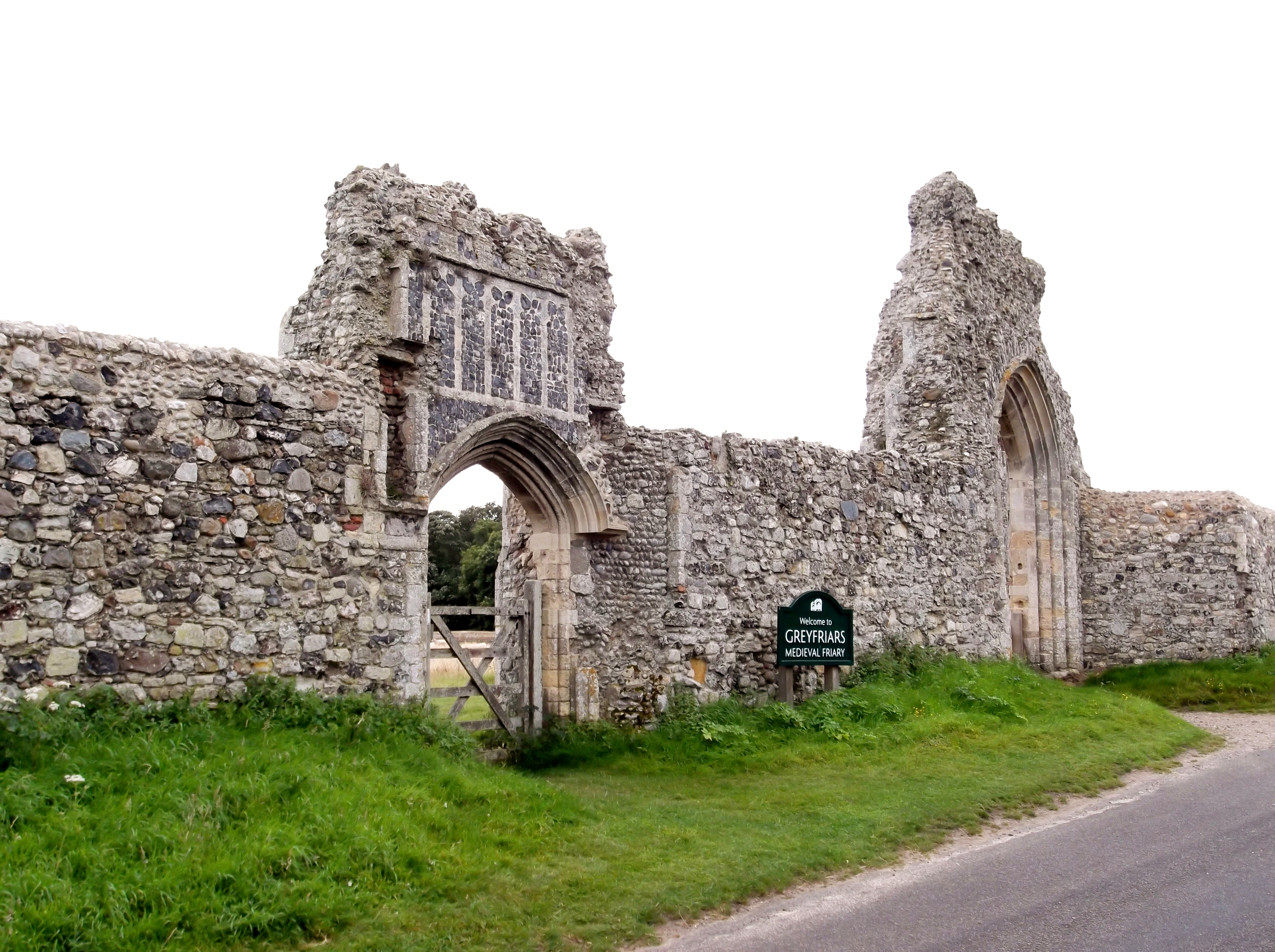
Glastonbury Abbey has never exactly been short of legends.
It has , the , , the Tor, the thorn, and enough misty spiritual atmosphere to make you feel like something meaningful is probably happening even when you are only trying to find the exit.
But the story people still search for — the Glastonbury Abbey King Arthur grave — is the very convenient one from 1191, when the claimed they had found the graves of and inside the abbey grounds.
Not nearby.
Not vaguely somewhere in Somerset.
Actually at the abbey.
Very helpful, that.
a burnt abbey / a useful king

The fire makes the timing awkward
Glastonbury suffered a major fire in 1184. This is not just sad background detail. It is the reason the Arthur discovery starts to look so wonderfully, suspiciously useful.
A medieval was not only a spiritual place. It was an institution with buildings, land, money, reputation, guests, and . A fire was expensive. Rebuilding was expensive. Attention was useful.
So when the monks announced a few years later that they had found Britain’s most famous legendary king, it is hard not to do the historical equivalent of raising one eyebrow so high it needs its own scaffolding.
I am not saying every monk involved was cackling over a fake grave. I am saying that if your abbey burns down and then you “discover” Arthur, people are allowed to ask follow-up questions.
A labelled grave changes the story
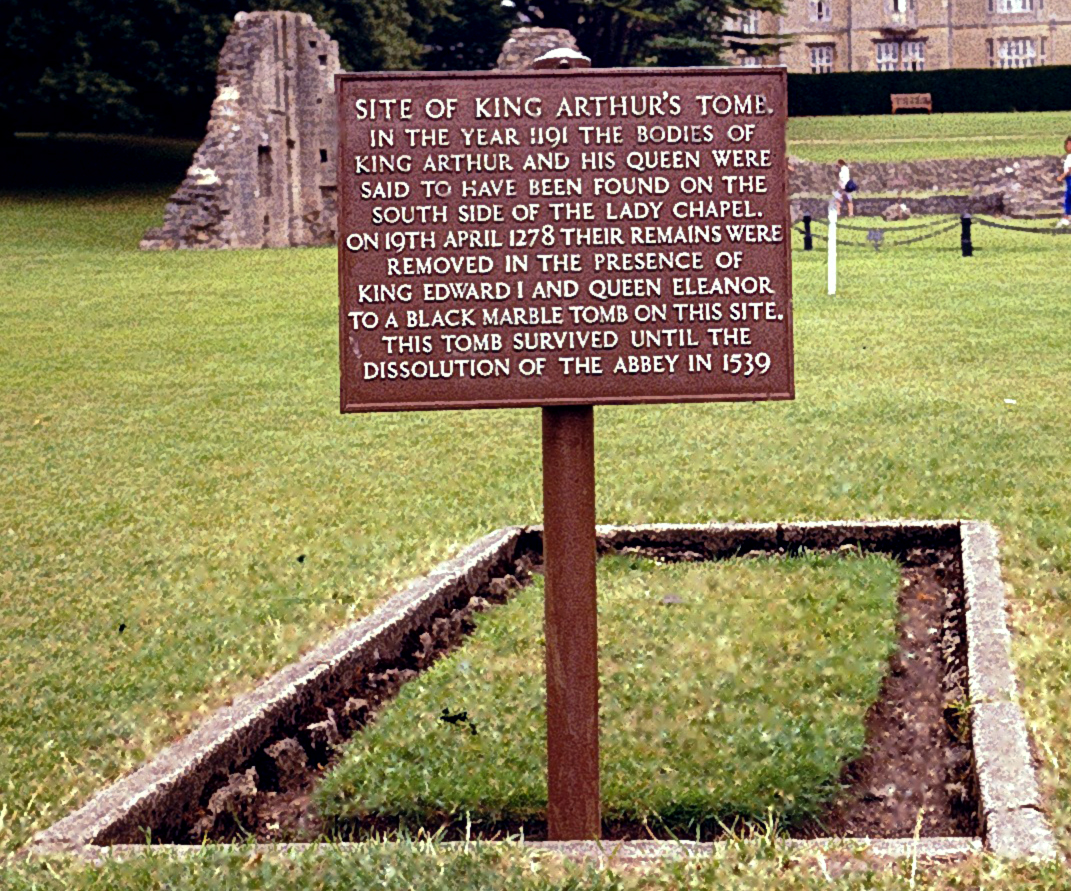
The story said the monks dug down and found a stone slab, then a lead cross, then a hollowed-out tree trunk containing two skeletons. The cross supposedly identified the buried man as Arthur and placed him in Avalon.
That detail matters because Arthur was not supposed to be comfortably dead in the public imagination. He was the once and future king. The one who might return. A sleeping or absent king is politically useful because he is still possibility.
A labelled grave does something different.
It pins him down.
Medieval PR, but make it sacred
The word “fake” is tempting, but I do not think it is the most interesting word here. “Useful” is better.
Glastonbury was already good at sacred storytelling. Add Arthur and Guinevere, and suddenly the abbey is not just ancient and holy. It is Avalon with an address. A burnt monastery becomes the resting place of a national myth. A fundraising problem becomes a pilgrimage opportunity.
That is what makes the story more than a cynical little scam. Medieval people were not silly for caring about the grave. The claim gave them a place where myth could touch ground. That is emotionally powerful, even if the evidence makes the whole thing look deeply uncooperative.
By 1278, the supposed bones were reburied with royal ceremony, which only adds to the sense that the grave was doing cultural work. Whether it was true is one question. What it allowed people to believe, visit and perform is another.
The grave did its job
Whether the bones were Arthur’s is probably the least useful question, because no one can honestly prove that they were. The better question is what the claim did.
It brought attention. It strengthened Glastonbury’s sacred identity. It made a damaged abbey feel chosen again. It gave visitors a spot where they could stand and feel that a story they already knew had become physical.
That is why the legend is still worth keeping on the map. Not because it is clean fact, but because it shows how powerfully a place can absorb a story and then start behaving as if the story belongs to it.
Glastonbury did not just find Arthur.
It used him.
And somehow, centuries later, the legend is still doing work in the ruins.
Enjoyed this one?
Get the next story straight to your inbox. No filler, no spam — just the next place worth writing about.
No spam. Unsubscribe any time.
Sources+
- Glastonbury Abbey official siteglastonburyabbey.com
- Wikipedia: Glastonbury Abbeyen.wikipedia.org
- Wikipedia: Avalonen.wikipedia.org
- Live Science: Did King Arthur really exist?livescience.com
- oapen.org
- Image credits: Article images are credited to Wikimedia Commons where used and are under Creative Commons licences / public domain unless otherwise stated.
More articles
Swipe →