Some small towns have one nice church, one market square and exactly enough old stone to make a pleasant afternoon. Others have the kind of story that leaks into everything.
You arrive for a walk, a ruin, a cave, a view, and suddenly the whole place seems to be quietly rearranged around one question. Where did the town go? What is the well doing to those objects? Who carved all that under the street? Why did a village priest need a tower that looks like it belongs in a mystery novel?
This is a small-town mystery route rather than a true-crime dossier. The joy is not in solving everything neatly. It is in finding places where the historical facts, the local legends and the visitor experience have been left to sit together long enough that they start looking suspiciously comfortable.
These four are not the obvious blockbuster ruins. They are better for a slower kind of travel: a town, a walk, a strange object, a local story, and that very specific feeling that your day out has acquired a plot.
Dunwich: the town the sea kept
Greyfriars Medieval Friary, Dunwich is one of the most haunting ruins on the list because the missing part is bigger than the surviving one.
Dunwich was once an important medieval port on the Suffolk coast, with churches, friaries, houses, trade, ships and all the normal noise of a working town. Then the sea started taking it. Storms and did not destroy Dunwich in one tidy cinematic moment, which is almost worse. They kept coming back. The shore shifted, buildings fell, and a town that once mattered nationally became a place where the main historical fact is absence.
The Greyfriars site survives because the Franciscan friary was moved inland after the earlier coastal threat, leaving the gateway, walls and fragments on higher ground while so much of medieval Dunwich disappeared under the North Sea.
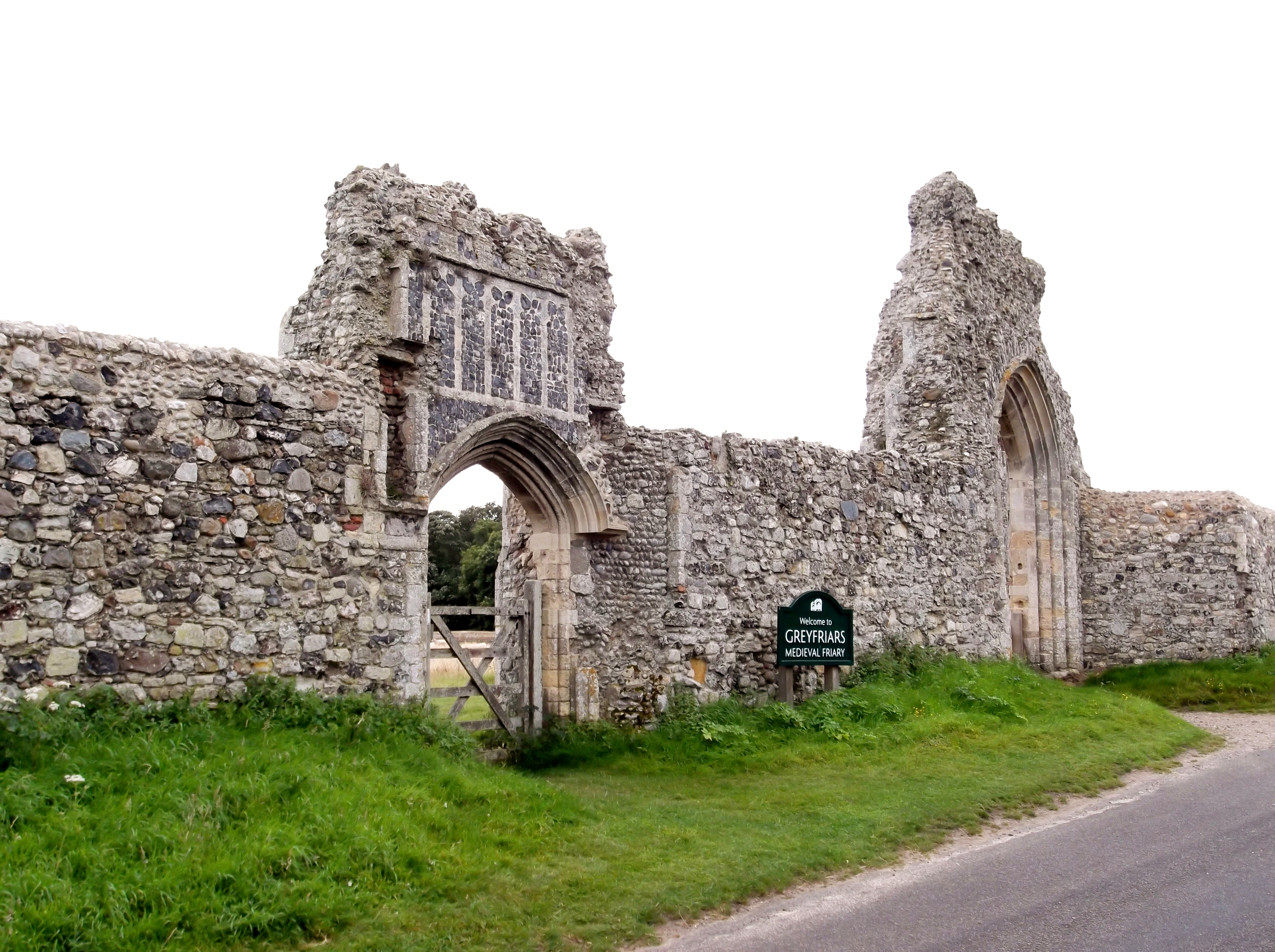
What makes Dunwich so good for mysterious travel is that the legend grows out of something real. The drowned church bells said to ring beneath the sea are a , yes, but they are not floating around on nothing. They come from a coast where churches really were lost, where the map really did change, where the sea really became the archive.
Dunwich is not eerie because it invents a ghost story. It is eerie because the landscape has already done something worse than folklore could manage. It made most of the town unavailable.
Knaresborough: the prophetess and the well that makes souvenirs look cursed
Mother Shipton’s Cave in Knaresborough has exactly the right mixture of geology, folklore and old-fashioned attraction energy.
The story centres on Ursula Southeil, better known as Mother Shipton, the legendary Yorkshire said to have been born in the cave. As with most prophecy legends, it is best not to treat every later prediction as tidy historical evidence. The useful thing is the way the cave gives the story a body. A prophetess is one thing. A prophetess with a birthplace beside a river and a mineral spring is much harder to leave alone.
Then there is the , which sounds like it belongs to a witch and behaves like chemistry. Objects hung beneath the mineral-rich water slowly acquire a stony coating, turning teddy bears, hats and household things into relics of a very patient natural process.

This is why Knaresborough works so well. The mystery is not only whether Mother Shipton predicted anything. It is the whole arrangement: cave, river, dripping well, stone-coated objects, paying visitors since the 17th century, and a local legend that seems to understand perfectly well that tourists enjoy being slightly unsettled.
It is part pilgrimage, part geology demonstration, part folklore theatre. The best strange towns often work that way. They give you one story, then let the setting do most of the persuasion.
Royston: the cave under the crossroads
Royston Cave has the excellent inconvenience of being under the town rather than politely beside it.
Beneath a crossroads associated with Ermine Street and the Icknield Way is a bell-shaped chalk chamber filled with carvings: saints, symbols, religious figures, mysterious marks and enough unresolved purpose to keep everyone busy. It was rediscovered in 1742, apparently by accident, when workmen were digging in the market area. That is the kind of origin story every historic town secretly wants: someone doing a practical job, then finding a carved chamber under the errands.
The cave is a and Grade I listed, but the official protection does not make the mystery behave. People have suggested Templars, Freemasons, a prison, a private chapel, a store, a hermitage or an . The awkward, wonderful bit is that none of these explanations has settled the matter completely.

Royston is useful because it shows how little a mystery needs to be enormous. No lost kingdom. No drowned bells. No treasure map. Just a chamber below a small town, a set of carvings that refuse to become a single clean answer, and the uncomfortable realisation that the road above it has carried on as if this is normal.
It is not normal. That is the point. Some towns hide their strangeness in plain sight. Royston hid it under the pavement.
Rennes-le-Château: the village where a priest built himself a problem
Rennes-le-Château is the one that behaves most like a novel, which is probably why people keep trying to turn it into one.
On paper, it is a small hilltop village in the Aude department of southern France. In the popular imagination, it is treasure, coded messages, Bérenger Saunière, the Tour Magdala, suspicious renovations, conspiracy shelves and the long afterlife of a story that became much bigger than the evidence underneath it.
Saunière, the 19th-century parish priest, renovated the village church and later built an estate that included Villa Bethania and the neo-Gothic Tour Magdala. The tower itself is not ancient, which makes it more interesting rather than less. It is a piece of architecture built after the medieval period that now looks backwards so theatrically that it feels designed to attract theories.
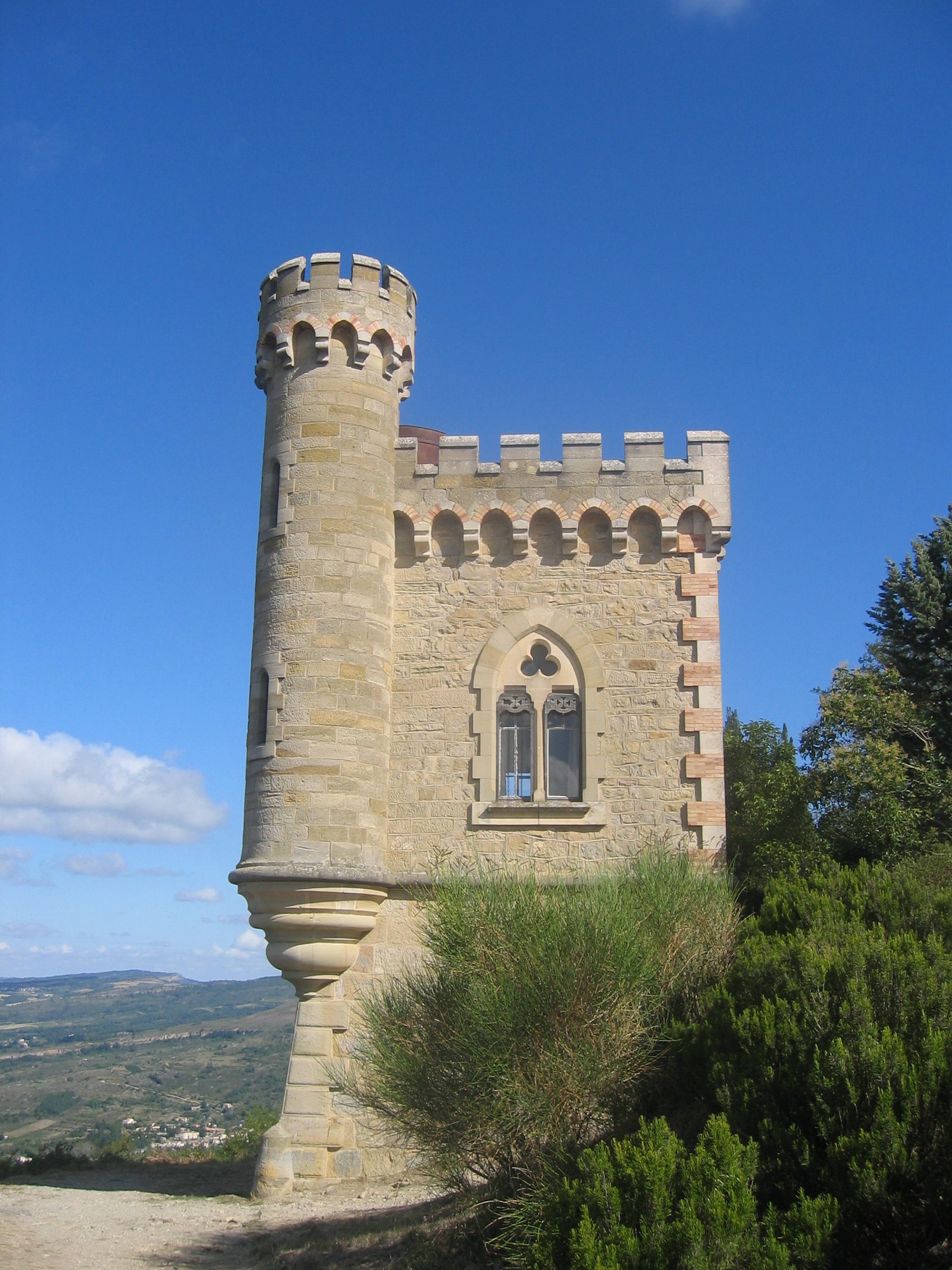
The treasure story around Rennes-le-Château is disputed, elaborated and repeatedly reworked. That does not make the village less worth talking about. It makes it a perfect example of , where the travel experience is shaped not only by what happened, but by what people think may have happened, what later writers did with it, and how a place learns to live with its own legend.
Rennes-le-Château is a good warning against treating mystery as a single hidden answer. Sometimes the mystery is the machinery itself: the priest, the spending, the tower, the rumours, the books, the visitors, the way a small village became internationally recognisable because people kept asking what was really going on.
Why mysterious towns are better than mysterious objects
A mysterious object can be put in a case. A mysterious town is much harder to control.
That is why these places work as travel ideas. Dunwich turns a coastal walk into a meditation on loss. Knaresborough makes a family attraction feel older and stranger than it has any right to. Royston lets a normal high street sit above a carved underground room. Rennes-le-Château shows how quickly architecture, money and rumour can become a destination.
None of them needs you to believe every story literally. In fact, they get better when you do not. The useful question is not always “is the legend true?” Sometimes it is “why did this particular place become the place where people wanted the legend to live?”
That is the travel hook. Not just mysterious small towns, but towns where the mystery changes how you look at the streets, cliffs, caves, wells and towers.
Go for the old stone, obviously. But leave room for the feeling that the town has noticed you asking questions.
Enjoyed this one?
Get the next story straight to your inbox. No filler, no spam — just the next place worth writing about.
No spam. Unsubscribe any time.
Sources+
- Wikipedia: Dunwichen.wikipedia.org
- Wikipedia: Greyfriars, Dunwichen.wikipedia.org
- Wikipedia: Mother Shipton’s Caveen.wikipedia.org
- Wikipedia: Petrifying wellen.wikipedia.org
- Wikipedia: Royston Caveen.wikipedia.org
- Historic England: Royston Cavehistoricengland.org.uk
- Wikipedia: Rennes-le-Châteauen.wikipedia.org
- Wikipedia: Tour Magdalafr.wikipedia.org
- Image credits: Wikimedia Commons images used — Dunwich Greyfriars Gatewaycommons.wikimedia.org, Mother Shipton’s Cave, Knaresboroughcommons.wikimedia.org, Royston Cave Beldam Plate Icommons.wikimedia.org, Rennas-le-Chateau — Torre Magdalacommons.wikimedia.org.
More articles
Swipe →

