Avebury stone circle is what happens when prehistory refuses to stay behind a rope.
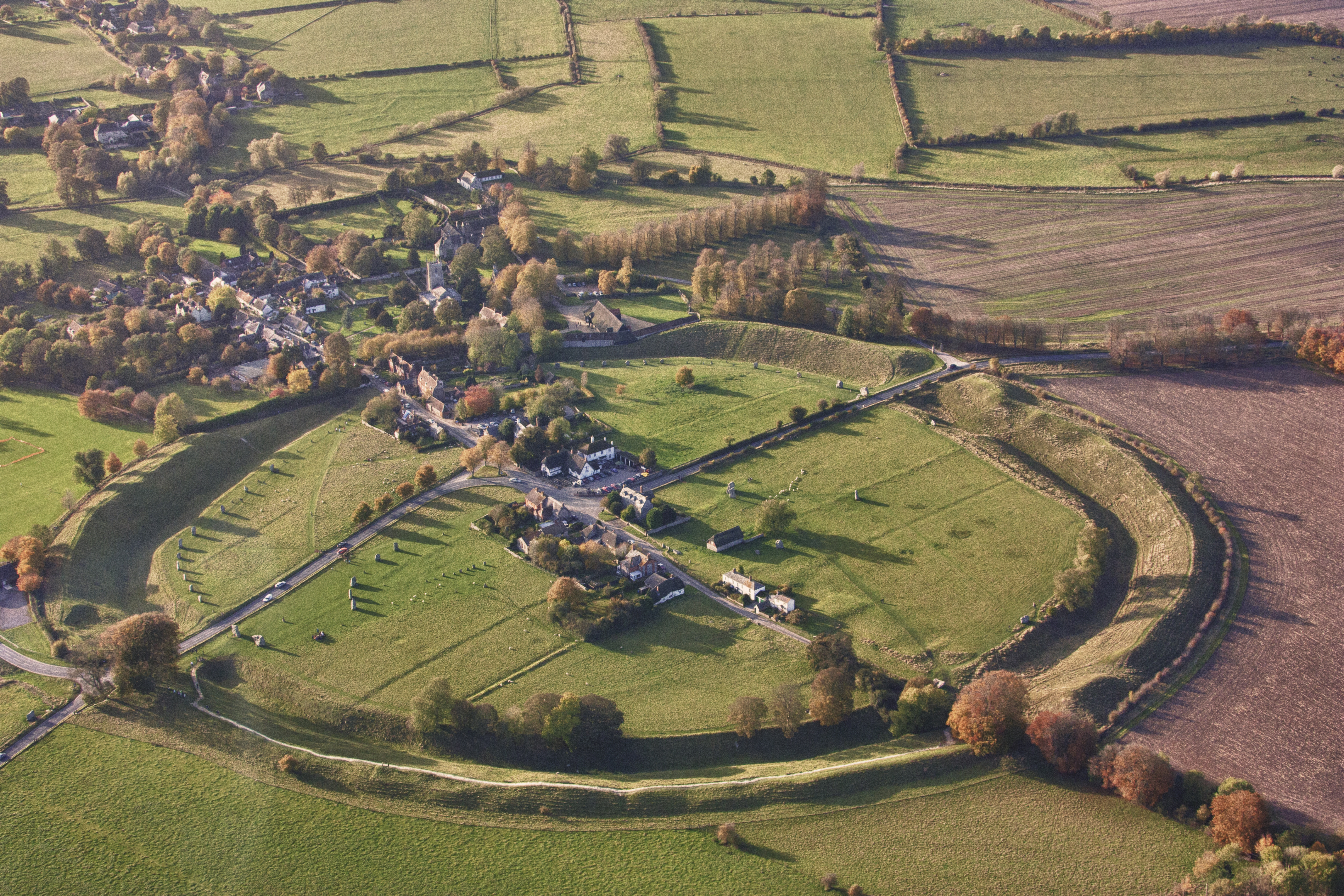
Most ancient places give you instructions. Stand here. Look there. Imagine the past at a safe distance. Avebury is much ruder than that. It lets the stones sit beside roads, cottages, sheep, tourists, grass verges and one deeply useful pub, as if a huge and ordinary village life are perfectly normal housemates.
That is the charm of it, and also the little shock. You are not visiting a monument that has been tidied away from the world. You are walking through a place where the world carried on inside the monument.
A stone circle is one thing. A village inside a stone circle is another. A pub inside the circle tips the whole thing into the category of “surely someone made this up”, except there it is, sitting very calmly in Wiltshire.
The village in the circle
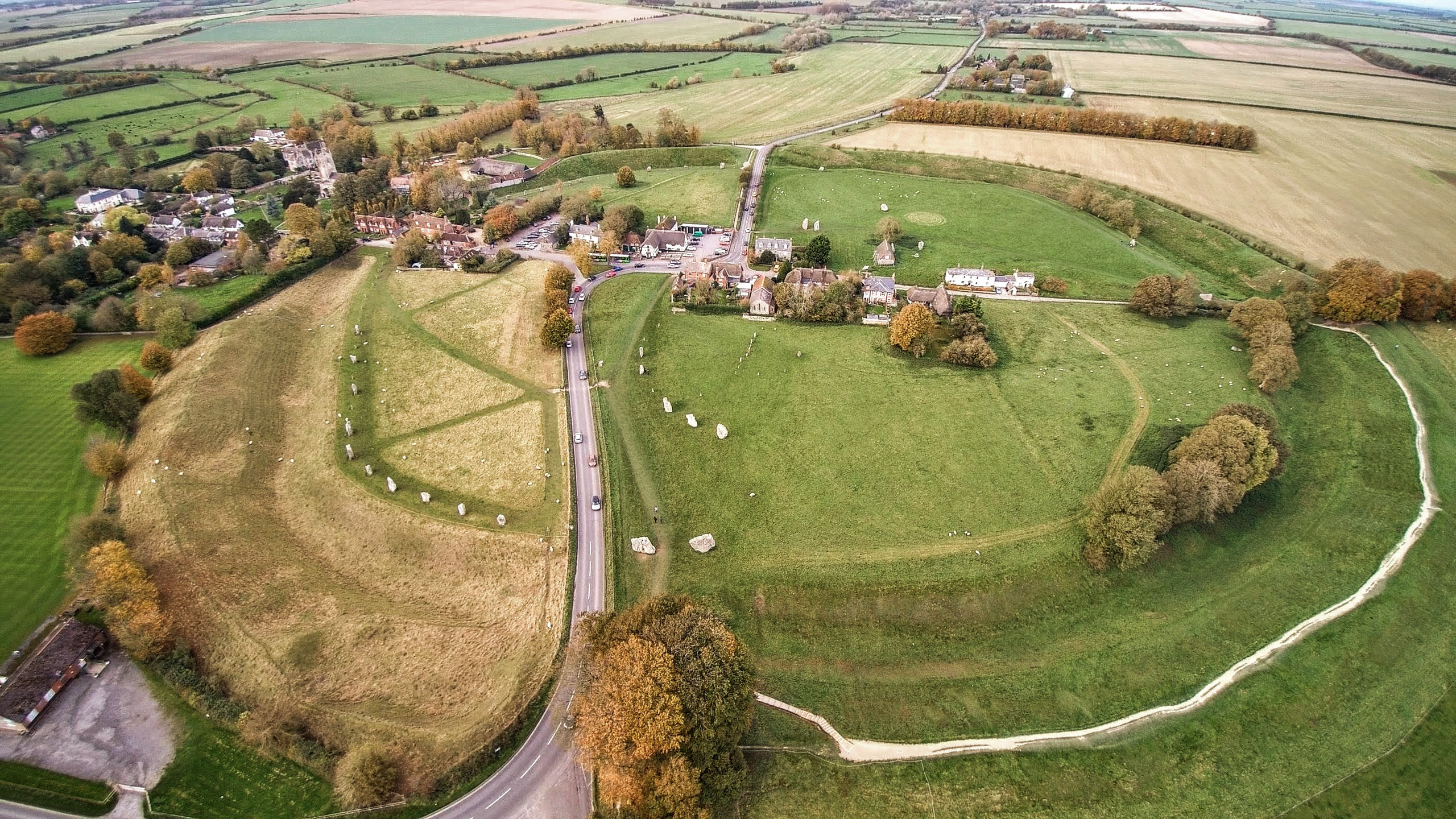
The first thing to understand is that Avebury does not behave like Stonehenge. Stonehenge has drama by separation. Avebury has drama by intrusion. Houses, roads and footpaths cut through the old shape, and that should make it feel less mysterious, but somehow it does the opposite.
The great ring is not sealed away. It has been interrupted, used, crossed and absorbed. You can walk the bank, stand beside the stones, watch cars pass through the prehistoric boundary and then realise that this is exactly why the place feels so strange. It is not a dead relic. It is a very old decision that later centuries kept having to live with.
The Red Lion pub is the detail everyone remembers because, frankly, it is irresistible. A pub inside a prehistoric circle sounds like the sort of thing Britain would do by accident and then quietly pretend was sensible. But it is not just a gimmick. It sums up the entire place: sacred, domestic, practical, ridiculous and ancient, all occupying the same ground.
The road keeps going
Avebury also makes more sense when you stop treating the stones as the whole story. The wider landscape is full of older pressure: chalk tracks, , banks, ditches, long views and nearby monuments. The stone circle is not an isolated attraction so much as one very visible knot in a much larger net.
That is the bit that creeps up on you. At first, it is a nice Wiltshire day out. Then you start noticing how much of the landscape seems to have been marked, walked, buried in, crossed and remembered. The countryside stops feeling like scenery and starts feeling like a memory system made out of chalk and stone.
Old roads are underrated because they often look too ordinary. A track can just look like a track, until you remember that people, animals, goods, stories and habits have been moving that way for thousands of years. A route is not a relic you can put in a cabinet. It is a repeated decision.
People kept going this way.
That is the relic.
Why it works
Avebury’s oddness comes from the fact that nothing quite cancels anything else. The prehistoric circle is still there. The village is still there. The pub is still there. The roads are still doing their useful, slightly rude little cuts through the sacred geometry.
That makes the place feel more alive than a perfectly preserved monument would. You are not asked to imagine ancient life in an empty field. You are asked to stand inside a place where life kept happening, even when nobody fully understood the first reason the ring existed.
That is the real spell of Avebury: not just the old thing itself, but the awkward way the old thing continues to behave in the present.
The pub is only the punchline
The Red Lion is the detail people love because it is so unlikely, but it should not shrink the place into a novelty. Avebury is stranger than the pub. It is a prehistoric monument that still has roads cutting through it, villagers living inside it, walkers crossing it and ordinary life folding itself into an ancient shape.
That is the thing that lingers after the joke has done its work. The stones are not sealed away in a historic bubble. They have been interrupted, ignored, protected, visited, driven through and lived with. The circle keeps being ancient while everything else carries on around it, which somehow makes both the circle and the present feel less stable.
Enjoyed this one?
Get the next story straight to your inbox. No filler, no spam — just the next place worth writing about.
No spam. Unsubscribe any time.
Sources+
- National Trust: Aveburynationaltrust.org.uk
- English Heritage: History of Avebury Henge and Stone Circlesenglish-heritage.org.uk
- National Trails: The Ridgewaynationaltrail.co.uk
- Wikipedia: Aveburyen.wikipedia.org
- Image credits: Article images are credited to Wikimedia Commons where used and are under Creative Commons licences / public domain unless otherwise stated.
More articles
Swipe →